Review: Beautiful Letter Embroidery for Craft Fairs
As an embroidery designer who has spent countless weekends behind a booth table, I have learned that not every digital file translates into a bestseller. When I first loaded Beautiful Letter Embroidery into my software, I was looking for more than just aesthetic appeal; I was looking for commercial viability. This machine embroidery design promises elegance and affection, themes that are perennial favorites in the handmade market. But does it hold up under the harsh lighting of a convention center or the scrutiny of an online shopper? Let’s break down how this design performs in the real world of craft fair sales and boutique production.
First Impressions: Elegance Meets Versatility
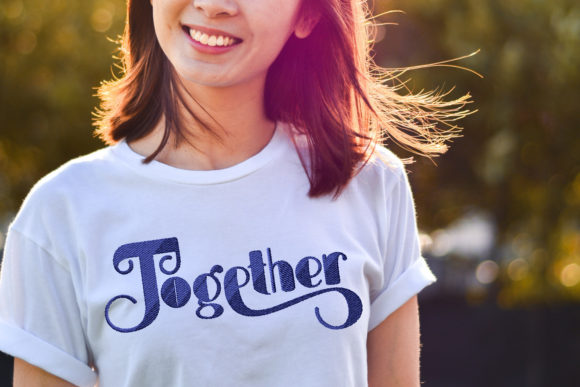
The title suggests a focus on beauty, marriage, and affection, which immediately narrows the target audience but also defines the mood. Upon inspecting the digitization, the lettering feels refined rather than overly ornate. It strikes a balance between modern minimalism and classic romance. For a craft fair seller, this is crucial. You need a design that reads clearly from three feet away but still invites closer inspection. Beautiful Letter Embroidery achieves this by avoiding excessive clutter, allowing the thread texture to shine without overwhelming the fabric base.
This is not a novelty gag gift design. It is a premium-looking asset that elevates a simple cotton tote into a giftable item. If you are an Etsy seller or a small shop owner, this type of typography fits seamlessly into brands that value clean lines and heartfelt messaging. It feels soft yet structured, making it suitable for both rustic farmhouse aesthetics and contemporary chic displays.
Product Applications and Market Fit
The true test of any digital embroidery file is its adaptability. I evaluated Beautiful Letter Embroidery across several common craft fair products to see where it adds the most value.
- Tote Bags and Market Bags: This is arguably the strongest application. The design centers beautifully on canvas or heavy cotton. It transforms a utility item into a statement piece. Customers love personalized or meaningful text on bags, and this lettering style offers high readability.
- Apron Embroidery: For bridal showers or wedding gifts, embroidering this design on a bistro apron creates an instant heirloom quality. The theme of marriage and affection aligns perfectly with this product category.
- Tea Towel Embroidery: Kitchen linens are high-volume sellers. However, caution is needed here. The fabric texture of waffle weave or terry cloth can distort fine details. This design works best on flat-weave linen or cotton tea towels where the stitches can lay flat and crisp.
- Embroidered Patches: Creating iron-on patches allows for batch production. If the design scales down well, it becomes a versatile add-on item for customers who want to customize their own jackets or hats later.
- Pillow Covers and Pouches: As a focal point on a neutral pillow cover, the lettering adds a touch of sophistication. For small pouches, ensure the hoop size accommodates the width of the text without crowding the edges.
Production Practicality for Small Shops
For those of us running small shop products, time is money. A design that requires constant trimming, excessive stabilizer adjustments, or frequent re-hooping is a profit killer. Beautiful Letter Embroidery appears to be designed with efficiency in mind. The letterforms are connected logically, reducing jump stitches and thread waste. This makes it ideal for batch production during the busy holiday season or pre-fair prep weeks.
Photography is another critical factor. Does it look good in a listing? Yes. The contrast between the thread colors and typical fabric backgrounds (like natural beige, white, or navy) creates a sharp image that pops on mobile screens. For your printable mockup needs, this design renders cleanly, allowing you to create professional-looking Etsy listings without needing to stitch every single color variant physically.
Careful-Use Notes and Technical Considerations
While the design is robust, no machine embroidery design is foolproof. Here are specific technical points to consider before you start stitching your inventory:
- Stitch Density: Check the density settings in your software. If the lettering is too dense, it may cause puckering on lightweight fabrics like voile or thin cotton. Always use a cut-away stabilizer for stretchy materials and a tear-away for stable woven fabrics.
- Small Lettering Clarity: If you plan to scale the design down for items like caps or small pouches, verify that the thin strokes do not collapse. Thick fabric or textured towels can swallow up fine details. Test a sample on the exact material you intend to sell.
- Curved Surfaces: Embroidering on caps requires careful hooping. Ensure the design fits within the usable area of your cap frame. The curvature can distort wide lettering, so check the aspect ratio after stitching a test piece.
- Thread Contrast: Since this is a lettering design, contrast is key. On dark fabric, use light or metallic threads. On light fabric, deep jewel tones or classic black work best. Avoid low-contrast combinations like beige thread on cream fabric, as the design will lose its impact from a distance.
Enhancing Brand Consistency and Buyer Engagement
Using Beautiful Letter Embroidery consistently across your product line strengthens your brand identity. When customers see the same elegant typography on a tote, a towel, and a patch, they recognize your signature style. This visual consistency builds trust and perceived value. In a crowded craft fair aisle, a cohesive display of high-quality embroidered goods stands out against chaotic, mismatched booths.
Furthermore, this design encourages buyer engagement. Because it touches on themes of love and beauty, it invites emotional connections. Customers are more likely to purchase a finished product that feels personal and thoughtful. It serves as an excellent conversation starter at your booth, allowing you to share the story behind the design and the care taken in its creation.
Final Designer Verdict
Before committing to a large production run, always follow these steps: test the design on scrap fabric, review spacing, confirm hoop size compatibility, and inspect stitch density. Most importantly, check the commercial licensing terms included with the digital embroidery file. Since the description mentions multiple embroidery file formats, ensure you have the correct version for your machine.
Beautiful Letter Embroidery is a strong contender for any embroidery business owner looking to expand their catalog with timeless, sellable items. It balances aesthetic appeal with production practicality, making it a reliable asset for both weekend craft fairs and online stores. By paying attention to fabric choice and stabilizer selection, you can turn this digital asset into a high-margin physical product that resonates with customers seeking beauty and craftsmanship.