Tailor Kit Embroidery: A Designer’s Craft Fair Review
As an embroidery designer who has spent countless weekends behind a booth table, I have learned that not every digital file translates into a best-selling physical product. When I first encountered Tailor Kit Embroidery, my immediate instinct was to evaluate it not just as a piece of art, but as a viable commercial asset for the handmade market. The title alone suggests a specific aesthetic—functional, classic, and rooted in the heritage of sewing. For those of us in the Hobbies and Crafts sector, specifically those running small businesses, understanding how a design performs in the real world is crucial.
First Impressions and Market Fit
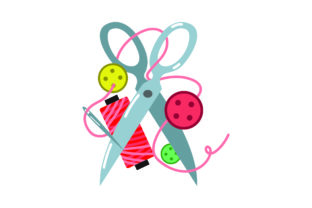
The concept of a tailor kit evokes imagery of vintage buttons, spools of thread, measuring tapes, and scissors. It feels rustic yet refined, striking a balance between farmhouse charm and professional elegance. This duality is powerful for craft fair sellers. It appeals to the serious seamstress who appreciates quality tools, but also to the casual crafter who loves the aesthetic of a well-organized creative space. When reviewing Tailor Kit Embroidery, I look for clarity. Does the design communicate its theme instantly? In a busy market environment, customers scan tables quickly. A design that clearly represents tailoring or sewing stands out to a niche audience that is often passionate and willing to spend on items that reflect their identity.
Versatility Across Product Lines
The true test of any machine embroidery design is its adaptability. Based on the description, receiving formats like SVG, Transparent PNG, EPS, and DXF indicates this asset is versatile beyond just stitching. However, focusing on the embroidery aspect, here is how I envision this design performing across various craft fair products:
- Tote Bags: A large-scale version of the design works beautifully on canvas totes. It serves as a statement piece for library visits or fabric store runs. The tote bag design potential is high because it acts as walking advertising for your brand.
- Aprons: This is perhaps the most natural fit. Apron embroidery featuring a tailor kit motif adds perceived value. It transforms a standard kitchen or workshop apron into a specialized tool for creators. Ensure the placement is central but does not interfere with pockets.
- Tea Towels: For tea towel embroidery, scale is critical. The design must be simplified to avoid excessive stitch density on thin fabric. A smaller, cleaner version of the motif works best here, offering a subtle touch of class.
- Embroidered Patches: Using the vector files (SVG/EPS) alongside the embroidery file allows for hybrid products. You can create iron-on patches that feature the tailor kit graphic, which are excellent impulse buys at checkout.
- Caps and Pouches: Curved surfaces like caps require careful digitizing. If the original embroidery file is dense, it may pucker on a baseball cap. Small fabric pouches for storing needles or threads are another ideal candidate, provided the hoop size accommodates the design without distortion.
Production Practicalities for the Small Shop Owner
For the Etsy seller or boutique maker, time is money. Batch production is key to profitability. Tailor Kit Embroidery needs to be evaluated for repeatability. Can you stitch ten of these in an afternoon without constant thread breaks or trimming? Designs with too many tiny details or abrupt color changes can slow down production. I recommend checking the stitch density before committing to a large run. High density looks premium but takes longer and uses more thread. Low density is faster but may look sparse on heavy fabrics.
Photography is another major factor. How does the design look in a printable mockup or a real-life photo? The contrast between the thread colors and the fabric background determines visibility. A tailor kit design often includes metallic elements like scissors or needles. If your digitized version uses silver or gold thread, ensure it catches the light well in photos. This visual appeal drives clicks for online listings and stops browsers at your physical booth.
Technical Considerations and Careful Use
While the aesthetic is strong, technical execution can make or break the finished product. Here are specific areas where I advise caution when using this design:
- Fabric Texture: Textured towels or thick denim can swallow small details. If the tailor kit design includes fine lines representing thread or small text, these may get lost on terry cloth. Always test on scrap fabric similar to your final product.
- Stabilizer Selection: The right stabilizer is non-negotiable. For stretchy fabrics like jersey tote bags, use a cut-away stabilizer to prevent distortion. For woven cotton aprons, a tear-away might suffice, but hooping must be tight to avoid registration issues.
- Hoop Size Constraints: Confirm the recommended hoop size before purchasing or producing. If the design is large, you may need a 5x7 or 6x10 hoop. Trying to squeeze a large design into a 4x4 hoop will result in cropping or loss of detail.
- Lettering Legibility: If the design includes the words "Tailor Kit" or similar text, ensure the font is bold enough. Small lettering often merges together after washing. Increase spacing or choose a thicker font variant if available.
- Dark Fabrics: Stitching on dark navy or black requires careful thread selection. Standard colors may look dull. Consider using variegated threads or adding a satin stitch border to make the design pop against dark backgrounds.
Enhancing Brand Consistency and Value
Using a cohesive theme like Tailor Kit Embroidery helps build brand consistency. If your shop specializes in goods for makers, this design reinforces your niche. It signals to customers that you understand their lifestyle. This emotional connection increases the perceived value of the handmade product. Customers are not just buying an apron; they are buying an identity. They are buying into the idea of being a creator.
Furthermore, having access to multiple file formats (SVG, PNG, EPS, DXF) means you can extend the design’s life beyond embroidery. You can use the SVG for vinyl cutting on mugs or the PNG for sublimation prints. This multi-use potential makes the initial investment in the digital embroidery file more worthwhile for creative entrepreneurs. It allows you to offer a wider range of design assets and finished goods without starting from scratch.
Final Verdict for the Craft Fair Booth
In conclusion, Tailor Kit Embroidery holds significant promise for the right product mix. It is not a universal design that works on everything, but it excels in categories related to sewing, crafting, and home organization. To maximize success, focus on high-quality materials. Pair the design with premium linen aprons or heavy-duty canvas bags. Avoid cheap, thin fabrics that cannot support the weight of the stitches.
Before listing this as a commercial embroidery product, always verify the license terms. Ensure you have the right to sell finished physical items. Create at least one high-quality mockup to gauge customer interest before stitching a full inventory. Test different thread combinations to find the most visually striking palette. By treating this design with the respect it deserves—careful digitizing review, proper stabilizer use, and strategic product placement—you can turn a simple digital file into a staple of your small shop product lineup. It is a design that celebrates the craft itself, making it a meaningful addition to any maker’s collection.