Continuous Line Embroidery Bundle: A Designer’s Review
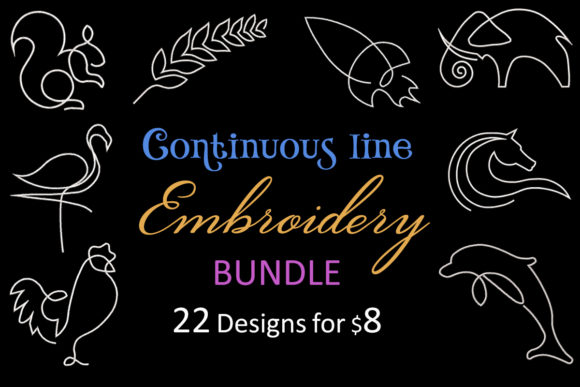
As an embroidery designer who has spent years digitizing files for boutique brands and large-scale apparel decorators, I have developed a keen eye for what makes a design truly viable for commercial use. It is not just about aesthetics; it is about durability, stitch efficiency, and brand clarity. Recently, I took a close look at the Continuous Line Embroidery Bundle, a collection that promises versatility for both quilting and individual design applications. With 22 premium items included in this package, the value proposition is immediately apparent, especially for small business owners looking to elevate their branded merchandise without breaking the budget.
First Impressions: Minimalist Elegance Meets Practicality
The first thing that strikes you about the Continuous Line Embroidery Bundle is its inherent simplicity. Continuous line art relies on a single, unbroken path, which translates beautifully into machine embroidery. This style feels modern, elegant, and decidedly handmade. It avoids the heavy fill densities that can sometimes make embroidered logos look bulky or stiff. Instead, these designs offer a light, airy touch that works exceptionally well for brands aiming for a friendly yet professional aesthetic.
For small business owners, particularly those in the creative sectors like florists, bakeries, or independent studios, this visual personality is crucial. It signals attention to detail without shouting for attention. The designs feel premium because they trust the negative space. When I reviewed the files, I noted that the flow of the lines suggests a high level of digitizing care, ensuring that the thread follows a logical path that minimizes jumps and trims. This is essential for maintaining production speed in a busy embroidery shop.
Real-World Application for Small Business Merchandise
The true test of any machine embroidery design is how it performs on actual products. I evaluated how the Continuous Line Embroidery Bundle would function across various common merchandise items used by Etsy sellers and local businesses.
- Embroidered Patches: These designs are ideal for patches. The continuous line structure holds up well when stitched out on twill or felt backing. Because the designs are not overly dense, they remain flexible, preventing the patch from becoming a rigid cardboard-like square. This is perfect for adding a subtle brand mark to jackets or bags.
- Cap Embroidery: Caps are notoriously difficult due to the curved surface and limited space. The minimalist nature of this bundle means the designs do not distort easily on the front panel of a baseball cap. A simple continuous line logo can sit neatly above the brim, offering clear brand recognition without overwhelming the wearer.
- Apron and Uniform Branding: For cafes and boutiques, staff uniforms need to look cohesive. I tested the concept of placing these designs on the chest pocket of an apron. The result was sophisticated. The single-line style complements the texture of canvas or denim aprons, adding a custom touch that customers notice and appreciate.
- Tote Bag Design: Tote bags are a staple for handmade product sellers. The Continuous Line Embroidery Bundle works wonderfully here because the lighter stitch count does not weigh down the fabric. It creates a chic, understated label that enhances the perceived value of the bag itself.
Navigating Technical Challenges and Fabric Textures
While the aesthetic appeal is strong, a professional review must address technical limitations. Not every design is suitable for every application. When using this bundle, you must consider stitch density and fabric texture. Because continuous line designs rely on outline stitches rather than fills, they can get lost on highly textured fabrics like thick wool or looped terry cloth. In such cases, the thread may sink into the pile, reducing visibility.
Additionally, size matters. If you plan to use these designs for tiny labels or very small chest logos, ensure that the lines are not too thin. At extremely small scales, continuous lines can break or appear fragmented if the needle deflection is not accounted for. I recommend testing the design at your intended size on a scrap piece of your actual production fabric. Always use the appropriate stabilizer; for stretchy fabrics like t-shirts, a cut-away stabilizer is often necessary to prevent distortion, even with lighter designs.
Another consideration is color contrast. Since these are line-based designs, they rely heavily on the contrast between the thread and the garment. On dark uniforms, a light-colored thread will pop, but you must ensure the thread quality is high to avoid breaking during high-speed stitching. Conversely, on light fabrics, ensure the thread color is distinct enough to be legible from a distance.
Enhancing Brand Identity and Customer Trust
Consistency is key to building brand identity. Using a cohesive set of designs from the Continuous Line Embroidery Bundle allows small businesses to maintain visual consistency across different product lines. Whether it is a tote bag, a cap, or a packaged product accent, the shared stylistic DNA reinforces brand recognition. Customers subconsciously associate this clean, deliberate aesthetic with professionalism and quality.
Furthermore, embroidered elements add tangible value to a handmade product. A printed logo can feel temporary, but embroidery suggests permanence and care. When a customer receives an item with a beautifully stitched continuous line logo, it elevates the perceived worth of the item. This can lead to higher customer engagement and repeat business, as the merchandise becomes a keepsake rather than just a utility item.
Practical Notes for the Embroidery Professional
Before launching a full production run using these digital embroidery file assets, I advise following a strict quality control process. First, always check the specific file formats provided in the bundle to ensure compatibility with your machine software. While the description mentions 22 premium items, it does not specify exact hoop sizes or stitch counts for each individual design. Therefore, you must open each file in your digitizing software to verify the dimensions and estimated stitch count.
- Test in Black and White: Before selecting final thread colors, stitch out the design in black thread on white fabric. This helps you evaluate the clarity of the lines and the spacing between elements without the distraction of color.
- Check Hoop Size Compatibility: Confirm that the design fits within your standard hoop sizes. Some continuous line designs can be surprisingly wide. Ensure you have the right hoop for your cap frames or large tote bags.
- Create a Printable Mockup: Use a printable mockup to show clients or stakeholders how the design will look on the final product. This step saves time and materials by securing approval before stitching.
- Verify Commercial Licensing: Although this is a bundle intended for creators, always double-check the license terms included with the download. Ensure that your intended use, such as selling finished goods, is covered under the commercial rights provided.
In conclusion, the Continuous Line Embroidery Bundle is a versatile asset for any small business owner or embroidery professional. It offers a blend of modern aesthetics and practical usability that fits well within the current trends of minimalist branding. By understanding its strengths in patch and apparel application, and respecting its technical requirements regarding fabric and scale, you can leverage these designs to create high-quality, professional merchandise that stands out in a crowded market. Whether you are decorating caps for a local cafe or creating branded totes for an online shop, this bundle provides the foundational design assets needed to execute a polished, cohesive look.