Reviewing the 3D Alpaca Embroidery Tumbler Wrap
As an embroidery designer who has spent years digitizing for small clothing brands and boutique sweatshirt lines, I approach every new machine embroidery design with a critical eye. We are not just stitching thread into fabric; we are building brand identity. Recently, I evaluated the 3D Alpaca Embroidery Tumbler Wrap for a potential pivot in our shop’s seasonal offerings. While the title suggests it is intended for drinkware, my experience tells me that versatile design assets often transcend their original category. Here is my professional breakdown of how this graphic performs when adapted for premium apparel.
First Impressions and Aesthetic Mood
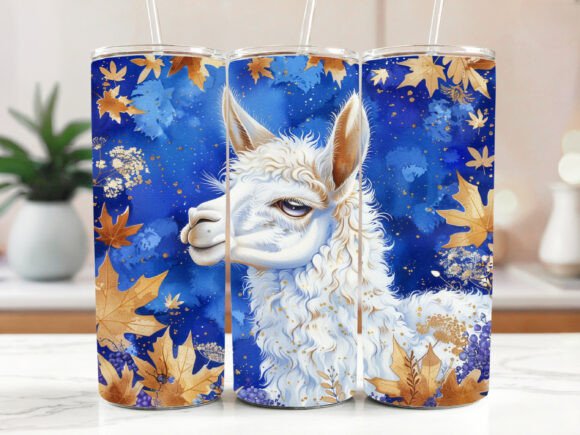
The immediate visual impact of the 3D Alpaca Embroidery Tumbler Wrap is undeniably playful yet sophisticated. The concept of a "3D" effect in embroidery usually implies high stitch density and careful layering to create depth without actual puff foam. For a boutique brand, this aesthetic strikes a balance between cute and rustic. It feels cozy, which is exactly what customers look for in autumn and winter collections.
When I visualize this design on neutral sweatshirts, such as oatmeal, heather grey, or soft sage, the alpaca motif stands out as a focal point. On dark fabric like charcoal or navy, the design would require high-contrast thread colors to maintain readability. The layout appears balanced, avoiding the cluttered look that plagues many amateur embroidery files. It feels decorative enough to be a statement piece but minimal enough to remain wearable for daily life.
Adapting Tumbler Graphics for Sweatshirt Embroidery
You might wonder why a designer is reviewing a product listed under Tumbler Wraps for apparel use. The answer lies in scalability and composition. The provided specifications note a size of 9.3″ x 8.2″ at 300 DPI. This high-resolution raster image serves as an excellent reference for manual digitizing or as a base for creating a custom hoodie design.
For a limited sweatshirt drop, I would not simply print this wrap. Instead, I would use the visual elements to create a bespoke sweatshirt embroidery pattern. The alpaca’s texture translates beautifully to satin stitches and fill patterns. On oversized hoodies, this design could work as a large back piece, creating a bold, rustic vibe. For a more subtle approach, scaling it down for left-chest placement on a crewneck offers a premium, understated look that appeals to buyers seeking quality over loud branding.
Practical Designer Concerns
Before committing to production, several technical factors must be addressed. Since the source is a high-resolution image rather than a native stitch file, the transition to a digital embroidery file requires careful attention to stitch density. Alpacas have fluffy textures; if the density is too low, the design will look sparse and cheap. If it is too high, it may cause puckering on lighter fabrics.
- Fabric Texture: Heavyweight cotton blends used in boutique sweatshirts can handle higher density, but you must test for needle penetration.
- Stabilizer Choice: For a design of this visual weight, a medium-weight cut-away stabilizer is essential to prevent distortion after washing.
- Hoop Size: Ensure your machine’s hoop size can accommodate the scaled version of the design. A 5x7 hoop might be tight for a detailed back piece, requiring a 6x10 or larger frame.
- Washing Durability: Commercial apparel must withstand repeated washing. Secure anchoring stitches and proper trimming are non-negotiable for a professional finished product.
It is crucial to remember that this listing is for digital files only, specifically packaged in a .zip archive. As an Etsy seller or small shop owner, you must verify if the included files are ready-to-stitch formats (like PES or DST) or if they are print-ready graphics for sublimation. The description mentions "High Resolution 300 DPI," which often indicates print graphics. If you intend to embroider, you may need to digitize this image yourself or hire a digitizer to convert the Graphics into a stitch file optimized for your specific machine.
Enhancing Brand Identity and Product Value
In the world of custom apparel, perception is reality. A well-executed alpaca design elevates a basic sweatshirt into a handmade product with perceived higher value. Customers are willing to pay more for items that feel unique and artisanal. By using the 3D Alpaca Embroidery Tumbler Wrap as inspiration for your textile designs, you create visual recognition. When buyers see consistent, high-quality motifs across your store, trust builds.
This design works exceptionally well for lifestyle product photography. Imagine a cozy scene with a steaming mug and a model wearing the embroidered hoodie. The thematic consistency between the tumbler wrap concept and the apparel creates a cohesive brand story. This cross-promotion can boost customer engagement, as fans of cute home goods often overlap with lovers of cozy fashion.
Commercial Viability for Small Shops
For commercial embroidery operations, speed and reliability are key. If you are digitizing this from the provided image, ensure the pathing is optimized to reduce jump stitches and trim times. A clean design reduces production time per unit, increasing your profit margin. Furthermore, the playful nature of the alpaca appeals to a broad demographic, from teenagers to adults who appreciate whimsical, rustic aesthetics.
When creating printable mockup previews for your online listings, use the high-resolution source file to show potential buyers how the design looks on different colors. Show it on pastel pinks for a feminine touch, or deep forest greens for a rugged, outdoor vibe. This versatility makes the small shop product appealing to a wider audience.
Final Verdict for Boutique Owners
The 3D Alpaca Embroidery Tumbler Wrap is a strong asset for creative entrepreneurs willing to put in the extra step of adaptation. While it is sold as a tumbler wrap, its artistic merit translates well to apparel decorators looking for fresh, seasonal motifs. The key is respecting the technical limitations of embroidery versus printing.
If you are an embroidery shop owner, treat this as a design brief rather than a final stitch file unless confirmed otherwise. Check the .zip archive contents carefully. If it contains only image files, plan for digitization time. If it includes stitch files, run test stitches on scrap fabric identical to your final garment material. Pay close attention to the thread color contrast against your chosen fabric base.
Ultimately, this design supports the creation of premium, cozy, and visually engaging merchandise. It helps small brands stand out in a saturated market by offering something that feels both handmade and professionally curated. Whether used for a holiday drop or a year-round staple, the alpaca motif brings warmth and personality to your collection, reinforcing the emotional connection customers seek in boutique brand experiences.