Reviewing Modern Stitches Embroidery Pattern for Business
As an embroidery designer who has spent years digitizing files and consulting with small business owners, I approach every new machine embroidery design with a critical eye. It is not enough for a pattern to look pretty on a screen; it must perform under the needle, withstand washing, and elevate the brand it represents. Recently, I evaluated the Modern Stitches Embroidery Pattern, a collection described as having a simple style suitable for living room design. While the original description leans toward home decor, my focus was strictly on its viability for commercial use. Can this set of Graphics and Patterns translate effectively into branded merchandise for cafes, boutiques, and creative studios? Here is my professional assessment.
First Impressions: Simplicity as a Strategic Asset
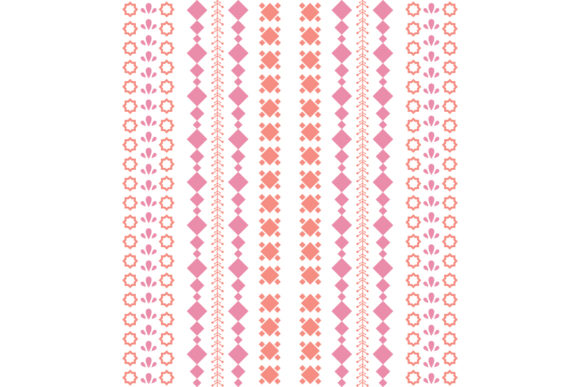
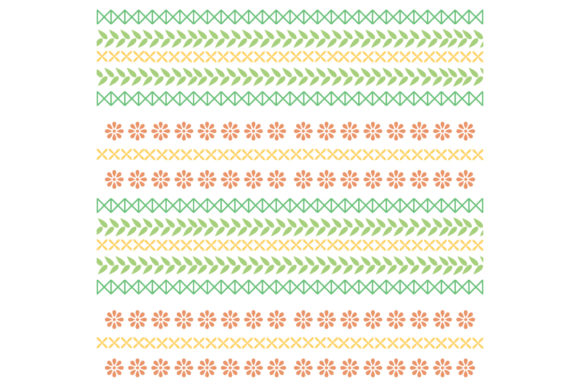
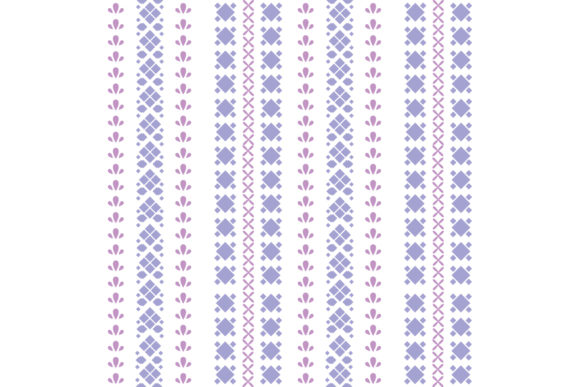
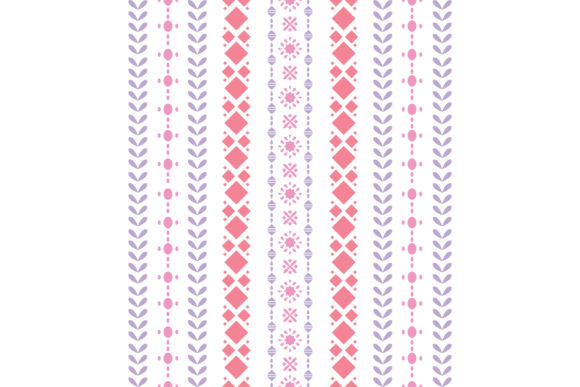
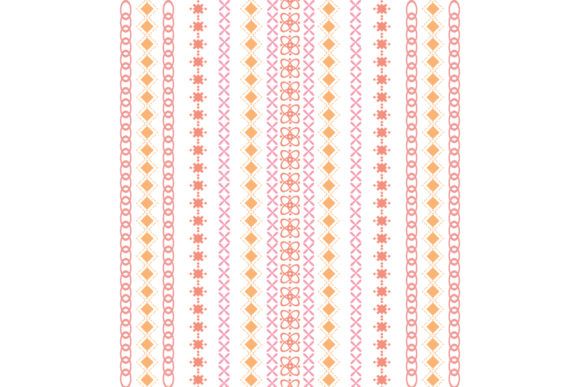
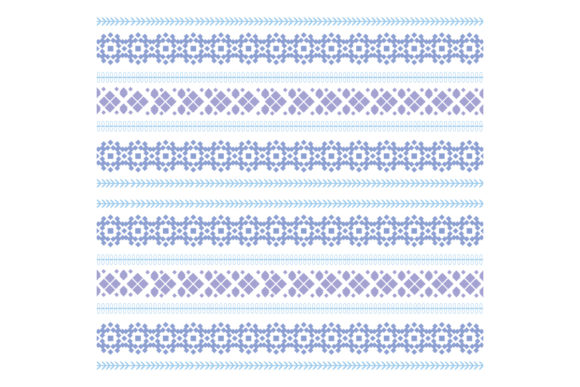
The immediate visual impact of the Modern Stitches Embroidery Pattern is one of understated elegance. The term "simple style" often raises red flags for designers worried about lackluster results, but in the context of modern branding, simplicity is a powerful tool. The designs feel clean, uncluttered, and contemporary. They do not scream for attention with excessive detail or chaotic line work. Instead, they offer a friendly yet professional aesthetic that aligns well with current trends in minimalist branding.
For a handmade product or a boutique label, this visual personality is crucial. It suggests sophistication without being overly ornate. Whether you are running a floral shop, a pet brand, or a local bakery, the design conveys a sense of curated quality. It feels premium because it respects negative space, allowing the fabric texture to play a role in the final appearance. This balance between decorative appeal and modern restraint makes it a versatile candidate for various design assets.
Real-World Application for Small Business Merch
When considering small business merch, versatility is key. I tested the mental application of these patterns across several common commercial items. For embroidered patches, the clean lines of the Modern Stitches Embroidery Pattern would hold up well, provided the scale is adjusted correctly. A patch on a tote bag or a denim jacket requires bold shapes that remain recognizable from a distance. These designs, with their straightforward geometry, are ideal for this purpose.
In the realm of custom apparel, such as staff uniforms for a creative studio or aprons for a bakery, these patterns shine. Apron embroidery often suffers from being too busy, which can clash with the food or products being handled. The simple style here offers a subtle branding opportunity on the chest pocket or hem. Similarly, for cap embroidery, where curvature and limited space are significant constraints, less is more. A small, well-digitized motif from this collection could serve as a sophisticated accent on the side panel or back of a hat, avoiding the bulkiness that plagues many complex logos.
Furthermore, for Etsy sellers and crafters, these digital embroidery file options can be used to create cohesive product lines. Imagine a series of tote bags, each featuring a different variation from the collection. This creates visual consistency across your inventory, strengthening brand recognition. The designs also work beautifully as accents on product packaging, such as embroidered tags attached to handmade goods, adding a tactile element of luxury that customers appreciate.
Navigating Technical Challenges and Fabric Constraints
While the aesthetic is promising, any experienced embroiderer knows that execution is everything. There are specific scenarios where the Modern Stitches Embroidery Pattern requires careful handling. First, consider the stitch density. Simple designs can sometimes be digitized with too few stitches, leading to gaps in the fabric, or too many, causing puckering. Before committing to a large production run of commercial embroidery projects, you must test the file on your specific machine.
Fabric texture plays a massive role here. On smooth cotton or poly-blends, the clean lines will appear crisp. However, on textured fabrics like heavy canvas tote bags or terrycloth towels, the simplicity of the design might get lost if the thread color contrast is not high enough. I recommend using a contrasting thread color to ensure the design pops against the background. Additionally, when working with dark uniforms, ensure that the digitizing includes proper underlay stitches to prevent the garment color from showing through the top stitching.
Curved surfaces, such as the front of a cap or the sleeve of a shirt, present another challenge. The design must be scaled appropriately to avoid distortion. If the pattern includes any fine details, they may merge together when stitched on a curved surface at a small size. Therefore, it is vital to check how the design behaves at the intended hoop size. Always use the correct stabilizer—cut-away for stretchy fabrics and tear-away for stable wovens—to maintain the integrity of the finished product.
Enhancing Brand Identity and Customer Trust
Beyond the technical aspects, the choice of embroidery design directly influences brand identity. Using a cohesive set of patterns like the Modern Stitches Embroidery Pattern helps establish a professional image. Customers associate high-quality embroidery with attention to detail and care. When they see a well-executed embroidered logo on an apron or a tote bag, it builds trust. It signals that the business values quality in every aspect of its operation.
For handmade brands, this is particularly important. The handmade product market is competitive, and visual differentiation is essential. These patterns offer a way to stand out without relying on loud or trendy graphics that may quickly become dated. The timeless nature of simple, modern stitches ensures that your merchandise remains relevant. Moreover, consistent use of these design elements across various touchpoints—from employee uniforms to customer gifts—creates a unified brand experience that enhances buyer engagement.
Practical Designer Notes for Production
Before you purchase and produce, here are my actionable recommendations for integrating this collection into your workflow:
- Test in Black and White: Before selecting thread colors, stitch out the design in black thread on white fabric. This reveals the true structure and spacing of the stitches without the distraction of color.
- Check Scalability: Verify if the design holds its integrity at small patch sizes. Zoom in on your software to inspect for potential thread breaks or overly dense areas.
- Review Thread Color Contrast: Ensure there is sufficient contrast between the thread and the fabric, especially for items that will be viewed from a distance.
- Confirm Hoop Size Compatibility: Check the dimensions of the design against your machine’s hoop capabilities. Do not assume it fits all standard hoops without verification.
- Use Proper Stabilizer: Match the stabilizer to the fabric weight and type. Incorrect stabilization is the most common cause of poor embroidery quality.
- Create a Printable Mockup: Use a printable mockup to visualize the design on the actual product before stitching. This saves time and materials during client approvals.
- Verify Commercial Licensing: Since the description mentions a collection for living room design, explicitly confirm that the license covers commercial use for merchandise. Never assume a digital file is cleared for resale items without written permission.
In conclusion, the Modern Stitches Embroidery Pattern offers a solid foundation for small businesses looking to elevate their branded merchandise. Its simple, modern style is adaptable, professional, and visually appealing. However, success depends on rigorous testing and attention to technical details. By treating these Patterns and Graphics as strategic business tools rather than just decorative elements, you can create high-value products that resonate with your customers and strengthen your brand identity.