Birds in Nest Embroidery Applique Review
As a designer who spends half my life digitizing and the other half staring at hoop marks on fabric, I have learned to look past the pretty preview images. When I downloaded the Birds in Nest Embroidery Applique, my first instinct was not to stitch it immediately, but to analyze its structure. In the world of machine embroidery, an applique design is only as good as its placement lines and tack-down stitches. This particular piece caught my eye because it balances whimsical charm with technical simplicity, a rare combination that often gets lost in overly complex digital files.
First Impressions and Visual Mood
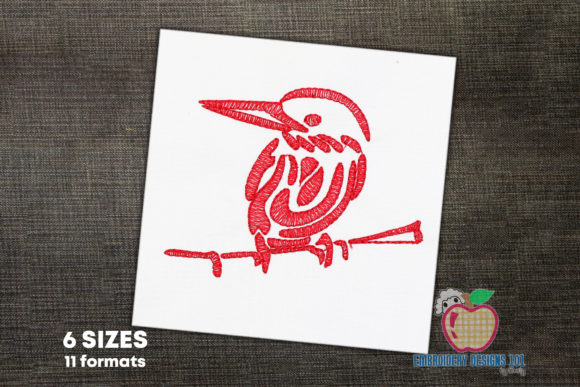
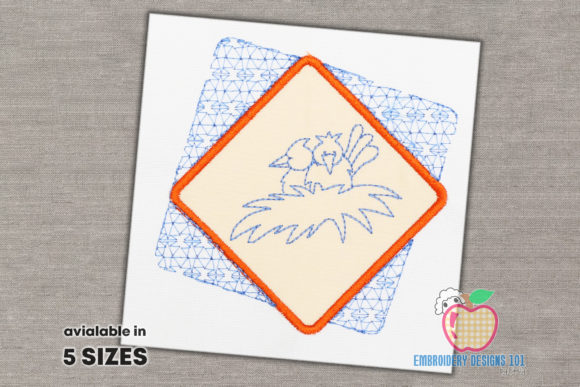
The immediate mood this design creates is one of warmth and nostalgia. It features a classic silhouette of birds nestled together, which naturally lends itself to themes of family, home, and new beginnings. Visually, the layout is compact but distinct. The use of applique means the bulk of the visual weight comes from the fabric you choose, not just the thread. This is a crucial distinction for any serious crafter. A standard fill-stitch design can feel heavy and stiff, but this applique design allows the texture of your chosen material to shine through, creating a softer, more integrated look on the final garment or item.
The steps are separated by color changes, which is a standard but essential feature for usability. It ensures that you can easily swap out fabrics or threads without losing your place in the sequence. For a small business owner, this efficiency translates directly to labor savings. You are not fighting the machine; you are working with a logical flow.
Real-World Application: The Custom Tote Bag Test
To truly evaluate a design, you must imagine it on a real product. I recently considered using this pattern for a custom order of canvas tote bags for a local boutique. The client wanted something that felt handmade but polished. Here is where Birds in Nest Embroidery Applique proved its worth. Because the design relies on fabric shapes rather than dense stitching, it sits beautifully on medium-weight canvas without causing puckering.
I selected a soft linen for the nest and a contrasting cotton for the birds. The result was a tactile, layered effect that flat embroidery simply cannot achieve. Customers react differently to texture; they want to touch it. This design invites that interaction. It works exceptionally well for:
- Tote bag design projects where durability and aesthetics must coexist.
- Sweatshirt embroidery where a large, dense fill might feel too stiff against the skin.
- Baby embroidery items, as the soft fabric layers are gentler than thick thread builds.
- Holiday embroidery gifts, particularly for spring or Easter themes where nests are symbolic.
Technical Performance and Stitching Clarity
From a technical standpoint, the separation of steps by color changes is a boon for accuracy. However, the success of any applique lies in the precision of the placement line. While the product description notes that this machine embroidery design comes with multiple embroidery file formats, it does not specify the exact stitch count or density metrics. Therefore, I strongly advise running a test stitch on scrap fabric before committing to your final piece.
When evaluating the stitch density, keep in mind that applique designs generally have lower density in the center areas since they are covered by fabric. This makes them ideal for textured fabrics or heavier materials like denim and twill. However, you must ensure your stabilizer is robust enough to support the cut edges of the applique fabric. If the stabilizer is too weak, the edges may fray over time, especially after washing.
For those selling on platforms like Etsy, the clarity of the design in photos is paramount. This design photographs well because the contrast between the thread outline and the fabric fill creates clear definition. It avoids the "muddy" look that sometimes plagues small, detailed satin stitch designs when viewed from a distance.
Where to Use Caution
While versatile, this design is not a universal fix-all. There are specific scenarios where you should proceed with care. First, consider the hoop size. Although the design is likely compact, always verify the dimensions against your machine’s capabilities. If you are working on curved surfaces like caps, the flat nature of the applique fabric can cause wrinkling if not hooped perfectly taut.
Additionally, be cautious with very thin or stretchy fabrics. The cutting process required for applique can distort lightweight knits if not properly stabilized. If you are creating custom apparel from jersey or rayon, use a cut-away stabilizer and consider adding a light fusible interfacing to the back of the applique fabric pieces before stitching. This adds stability and prevents the fabric from shifting during the trim phase.
Another consideration is dark fabric. If you are stitching on black or navy, ensure your placement line is visible. Some machines allow you to change the color of the placement stitch to a lighter shade for better visibility, which is a pro tip for maintaining accuracy.
Boosting Product Value and Brand Consistency
For craft business owners and Etsy sellers, the perceived value of a product is heavily influenced by its finish. An applique design like Birds in Nest Embroidery Applique signals effort and craftsmanship. It looks intentional. When customers see a well-executed applique, they associate it with higher quality than a simple printed graphic or a basic monogram.
This design fits seamlessly into a brand identity focused on nature, home, or family. It enhances buyer engagement because it tells a story. A bird in a nest is universally understood as a symbol of care. Whether you are making personalized gift items for new parents or creating small shop product lines for spring collections, this design adds emotional resonance to your work.
Practical Designer Notes
Before you launch this into production, here are my final recommendations for ensuring professional results:
- Test on scrap fabric first: Always run a full test to check registration and trimming ease.
- Check thread color contrast: Ensure the satin stitch border contrasts enough with both the applique fabric and the base garment.
- Review stitch density: Even though it is an applique, the border stitches matter. Adjust tension if needed.
- Confirm hoop size: Measure the design area to ensure it fits your smallest hoop if you plan to do multi-position stitching.
- Inspect small details: Zoom in on the digital file to ensure there are no stray stitches or confusing path orders.
- Use proper stabilizer: Match the stabilizer to the fabric weight, not just the design type.
- Confirm licensing: The description states it can be used in multiple machines, but always verify if the license allows for commercial sales of finished items or if it is for personal use only. This is critical for commercial embroidery businesses.
In conclusion, Birds in Nest Embroidery Applique is a solid addition to any designer’s library. It offers a blend of aesthetic appeal and practical usability that serves both hobbyists and professionals. By understanding its strengths in texture and mood, and respecting its technical requirements regarding stabilization and fabric choice, you can create finished products that stand out in a crowded market. It is not just a digital embroidery file; it is a tool for creating tangible, heartfelt connections through craft.